Babywearing can become one of those simple parts of daily life that makes busy moments feel a little easier. Whether you are taking a short walk, preparing something at home, running an errand, or simply trying to keep your baby close while keeping your hands free, the right carrier can fit naturally into your routine. The key is not simply choosing a beautiful design, but finding a style that matches your baby’s stage, your comfort preferences, and the situations in which you plan to use it.
WildBird focuses on babywearing products that combine function with thoughtful design. Its current collection includes ring slings, newborn wraps, buckle carriers, toddler carriers, and accessories, with different options designed for different stages from newborn through toddlerhood.
Rather than treating babywearing as something reserved for special outings, parents can create a routine around it. With a little preparation, carrying can become an easy part of mornings, walks, errands, travel days, and quiet moments at home.
Begin With Your Baby’s Current Stage
The first step in creating a useful babywearing routine is understanding your baby’s current stage. A newborn has different support and carrying requirements from an active toddler, so the carrier that works beautifully at one stage may not be the most suitable choice later.
WildBird currently offers newborn options such as the Aerial Newborn Buckle Wrap and traditional Newborn Wrap, both recommended for babies from 0 to 6 months. The Aerial Carrier is designed for babies from 2 to 24 months, while Ring Slings are recommended from 0 to 36 months. Toddler options extend to children from approximately 9 to 48 months.
This range makes it possible to think about babywearing as something that evolves instead of something you purchase once and forget about. A newborn may benefit from a soft, close-fitting option, while an older baby who wants more movement may need a different setup.
Always check the individual carrier’s age, size, weight, and positioning guidance before use. WildBird also advises caregivers to consider the baby’s overall size and readiness rather than relying on age alone.

Create a Simple Morning Routine
Mornings can be unpredictable when you have a baby. Getting dressed, preparing breakfast, organizing a bag, and getting ready to leave can all take longer than expected. Having a carrier prepared in advance can make the process more organized.
Instead of storing the carrier somewhere difficult to reach, choose a convenient location where you can grab it quickly. If you regularly leave the house in the morning, keep the carrier near the items you normally take with you. This small change can make babywearing feel like a natural part of getting ready rather than an additional task.
For newborn days, a soft wrap-style option can be useful when closeness is a priority. WildBird’s Aerial Newborn Buckle Wrap combines a wrap-like feel with buckle-carrier convenience and is designed for front carrying while facing inward.
As your baby grows, your routine can change with them. A structured carrier may become more practical for longer outings, while a ring sling can work well for quick carries when you want an option that is easy to put on and adjust.
The goal is consistency rather than complexity. A carrier that is easy to access and comfortable to use is more likely to become part of your everyday rhythm.
Match the Carrier to the Activity
Not every day requires the same type of carrying. A short trip to a nearby shop is different from a long walk, a family outing, or a day spent traveling. Thinking about the activity before choosing a carrier can make the experience more comfortable and convenient.
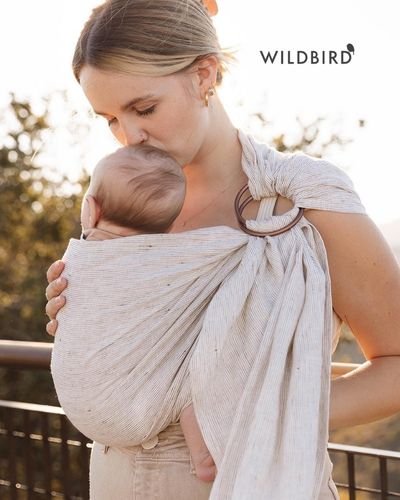
For quick everyday moments, a ring sling can offer an adaptable option. WildBird describes its Ring Sling as suitable from newborn through toddler stages and designed for front and hip carrying. It is made from breathable 100% linen and can be adjusted for a customized fit.
For longer outings, a structured carrier may be preferable when you want additional support and more stability. WildBird’s Aerial Carrier is designed for front carrying while facing inward as well as back carrying, and is recommended for babies from 2 to 24 months.
For toddlers who frequently ask to be picked up and then want to walk again, WildBird offers several specialized options. The Toddler Sling is positioned as a lightweight choice, while the Toddler Hip Seat is designed for quick ups and downs and includes a built-in zipper pocket.
By matching the carrier to the activity, you can avoid expecting one product to handle every possible situation.
Make Comfort Part of the Routine
A baby carrier needs to work for both the child and the person carrying them. If putting it on feels complicated or uncomfortable, it may gradually disappear into a cupboard no matter how attractive the design is.
When introducing a new carrier, spend some time learning its adjustments before using it during a busy outing. Practice at home when you have enough time to make changes without feeling rushed. Check that the baby is positioned according to the manufacturer’s instructions and that the carrier fits securely.
WildBird offers different designs and sizing options across its carrier range. For example, the Aerial Carrier is available in multiple caregiver sizes, while its Ring Sling comes in different lengths and ring finishes.
Fabric can also influence how a carrier feels during everyday use. WildBird’s newborn wrap products use its CloudBlend fabric, while Ring Slings are made from linen. Choosing according to your preferred feel, climate, and carrying habits can make a noticeable difference to how often you want to use the carrier.
Comfort should therefore be treated as part of the selection process, not something to consider after making the purchase.
Keep a Babywearing Bag Ready
A dedicated babywearing bag can make spontaneous outings much easier. Instead of packing everything from scratch every time, prepare a small collection of essentials that can stay ready between trips.
Depending on your baby’s age and routine, this might include a spare outfit, muslin cloth, wipes, diapers, a small snack for an older child, and a water bottle for yourself. If your carrier has useful accessories or storage features, organize the items around how you normally use them.
WildBird’s broader baby collection also includes items such as blankets, playmats, pacifier clips, loveys, pajamas, and other baby essentials, making it possible to coordinate some everyday necessities around the same general routine.
The idea is not to carry a huge amount of equipment. In fact, keeping the setup simple can make babywearing more enjoyable. A small, organized bag and a ready-to-use carrier may be enough for a short trip.
Before leaving, take a moment to check the carrier, your baby’s position, and the essentials you actually need. A few seconds of preparation can prevent unnecessary interruptions later.
Let Your Routine Grow With Your Child
Babywearing changes as children become more active. A newborn may spend longer periods being carried, while an older baby may want to look around, crawl, walk, and then return to your arms. Toddlers can be even more unpredictable, often alternating between wanting independence and wanting to be carried.
This is why flexibility is valuable. WildBird’s current collection covers several stages, from newborn wraps and ring slings to structured baby carriers and toddler-focused designs.
The best routine is one that adapts rather than forcing every stage into the same pattern. You might use a carrier mainly for walks during the early months, then gradually use it for errands, travel, or quick toddler carries as your child’s needs change.
There is also no need to make every outing a babywearing outing. A stroller, car seat, or simply walking beside your child may make more sense depending on the destination and circumstances. Babywearing is most useful when it fits naturally into what you are already doing.
Ultimately, the value of a carrier comes from how comfortably it fits into real family life. By choosing according to your child’s stage, matching the carrier to each activity, preparing a simple routine, and adjusting your approach as your child grows, babywearing can become a practical everyday tool rather than another complicated parenting task.