Technology has become an essential part of everyday life. From smartphones and laptops to wireless accessories, smartwatches, power banks, and home electronics, the right devices can make work, study, communication, entertainment, and daily routines much easier. However, with so many products available, choosing technology based only on appearance or the newest features can quickly become confusing.
A better approach is to understand how a device will actually be used. A student may need a lightweight laptop and reliable headphones, while a professional might prioritize performance, storage, and connectivity. Someone who travels frequently may be more interested in portable charging solutions, compact accessories, and durable devices. The best technology is therefore not necessarily the most expensive option, but the one that fits naturally into your lifestyle.
TOUCH offers a broad selection of electronics, including smartphones, Apple and Xiaomi products, laptops, tablets, smart devices, accessories, power solutions, and other technology products. With a practical approach to shopping, users can create a technology setup that meets their needs without unnecessary purchases.
Start with the Tasks You Need Technology to Handle
Before buying a new device, think about the tasks you perform most frequently. This simple step can make the selection process much easier. Instead of beginning with technical specifications, start with your daily routine.
TOUCH offers products for different types of users, so identifying your priorities can help narrow the choices. If your main requirement is communication, browsing, photography, and social media, a well-balanced smartphone may be enough. If you regularly edit videos, work with large files, or use demanding software, you may need a more powerful computer.
Students can consider whether they need a device mainly for online classes, research, presentations, note-taking, or creative projects. Professionals should think about multitasking, video meetings, document management, and portability. Gamers may have completely different requirements involving processing power, graphics performance, display quality, and cooling.
It is also useful to consider how long you expect to keep the device. Choosing something that meets your requirements today but becomes insufficient within a short period may result in additional expenses. A slightly more capable device can sometimes provide better long-term value.
The key is to create a short list of essential requirements before looking at individual models. Once you know what you need, comparing products becomes much more straightforward.
Choose a Smartphone Based on Your Real Usage
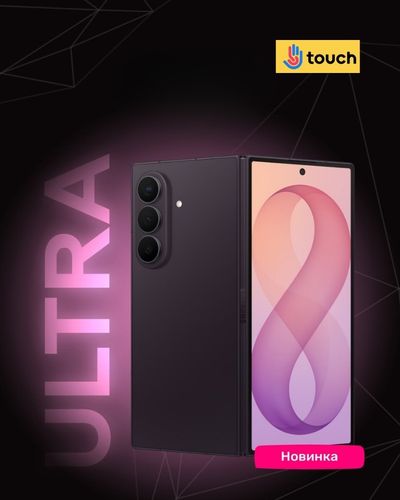
For many people, the smartphone is the most important piece of technology they own. It acts as a camera, communication tool, navigation device, entertainment screen, payment assistant, and sometimes even a portable workstation.
TOUCH features smartphones from several major manufacturers, including Apple, Samsung, Xiaomi, Google, OnePlus, Motorola, Nothing, Realme, and others. With so many options, users should focus on the features that matter most to them instead of automatically choosing the latest model.
Photography enthusiasts should pay attention to camera capabilities, image processing, storage, and video functions. People who spend hours watching content may prefer a high-quality display and strong battery life. For users who frequently travel, charging speed, battery capacity, and connectivity can be more important.
Storage is another factor that should not be overlooked. Photos, videos, applications, and downloaded files can quickly occupy available space. Someone who takes many photographs or records high-resolution videos may benefit from choosing more storage from the beginning.
Software experience also matters. A phone should feel comfortable to use, with an interface that matches your preferences. Accessories such as protective cases, screen protection, chargers, and headphones can further improve the experience.
Rather than choosing a smartphone simply because it is popular, compare its features with your actual habits. This approach can lead to a much more satisfying purchase.
Decide Whether You Need a Laptop or Tablet
Laptops and tablets increasingly overlap in functionality, but they still serve different purposes. Understanding the difference can help you avoid purchasing a device that does not fit your routine.
TOUCH includes laptops designed for different requirements, including gaming, budget-friendly use, multimedia activities, and more specialized needs. A laptop is generally a better choice for people who regularly type long documents, work with professional software, manage spreadsheets, or need a traditional desktop-style environment.
A tablet can be more convenient for reading, entertainment, note-taking, browsing, and lightweight productivity. It is usually easier to carry and can be particularly useful for students or people who spend a lot of time consuming digital content.
Consider your working environment as well. If you frequently move between home, college, office, and other locations, portability becomes more important. If the device will mainly remain on a desk, performance and screen size may deserve greater attention.
Keyboard compatibility can also influence the decision. A tablet paired with a suitable keyboard can handle many everyday tasks, but users who depend on specialized software may still prefer a laptop.
The right choice depends on how you work rather than which device category is currently trending. Understanding this distinction can prevent unnecessary spending.
Complete Your Setup with Useful Accessories
A device rarely works alone. The right accessories can improve convenience, protection, charging, and overall usability. However, buying too many accessories can also lead to clutter and unnecessary expenses.
TOUCH offers a wide selection of electronic accessories, including chargers, cables, adapters, protective glass, power-related products, headphones, and other useful items. When building a technology setup, start with accessories that solve genuine problems.
A reliable charger is essential for smartphones, tablets, and other portable devices. Additional charging cables can be useful at home, at work, or while travelling. A power bank can provide extra flexibility when access to a power outlet is limited.
Protection is equally important. A suitable case and screen protector can help protect a smartphone from everyday scratches and accidental damage. Laptop bags and protective sleeves can provide similar benefits for portable computers.
Wireless headphones and smartwatches can also make everyday routines more convenient. However, the best accessories are those that support specific habits. Before purchasing one, ask whether it will actually be used regularly.
Building your setup gradually can be more practical than buying everything at once. Start with the essentials and add accessories when a genuine need appears.
Prepare for Power and Connectivity Needs
Modern technology depends heavily on reliable power. A smartphone with a strong battery is useful, but users may still need additional charging solutions during long journeys, busy workdays, or unexpected power interruptions.
TOUCH’s catalogue includes power banks, charging stations, uninterrupted power supplies, solar inverters, batteries, router UPS solutions, and other energy-related products. These options can be particularly useful for households and professionals who want their essential devices to remain available when conventional power is unavailable.
Think about which devices are most important during an interruption. For some people, keeping a smartphone charged is the priority. Others may need to maintain internet connectivity, operate a laptop, or keep essential household equipment running.
Portable power banks are convenient for mobile devices, while larger backup solutions can support several pieces of equipment. Choosing the right capacity requires understanding what you plan to power and for how long.
Connectivity should also be considered. Routers, mobile internet devices, and other networking solutions can help users remain connected in different situations. The goal is to create a setup that supports your actual needs rather than purchasing equipment simply because it is available.
Shop with Long-Term Value in Mind
Buying technology should be viewed as a long-term decision rather than an impulse purchase. A product that looks attractive today may not necessarily provide the best value if it does not match your requirements.
TOUCH has been operating in electronics retail for more than a decade and offers original products from established brands. When comparing products, consider the overall value, including functionality, durability, compatibility, warranty, accessories, and expected usage.
It can also be useful to compare several models before making a final decision. Pay attention to specifications that directly affect your experience rather than focusing on numbers that sound impressive but have little relevance to your routine.
Keep compatibility in mind when buying multiple devices. Choosing products that work well together can create a smoother ecosystem and reduce the need for separate accessories. This is particularly useful when building a setup around smartphones, tablets, laptops, headphones, watches, and other connected devices.
Finally, take advantage of available promotions without allowing discounts to determine your purchase. A lower price is only valuable when the product is actually suitable for you.
Smart technology shopping is ultimately about balance. Choose devices that solve real problems, support your lifestyle, and remain useful over time. With thoughtful planning, even a small collection of carefully selected electronics can make everyday life more comfortable, productive, and connected.