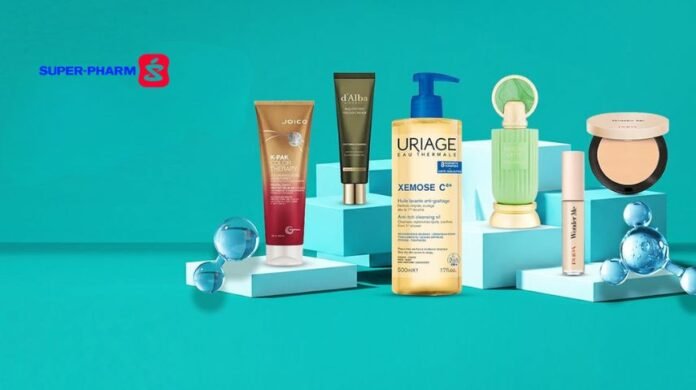
Beauty trends change quickly. One week, a particular ingredient is everywhere on social media, and the next week a completely different product becomes the must-have item. New launches, celebrity routines, viral makeup looks, and influencer recommendations can make beauty shopping exciting, but they can also make it difficult to understand what is genuinely useful for your own routine.
A smarter approach is to focus less on buying everything that becomes popular and more on understanding what works for your skin, hair, lifestyle, and personal preferences. Reliable beauty information can make this process easier by explaining ingredients, comparing products, consulting professionals, and providing practical guidance.
Allure has built its beauty coverage around skincare, makeup, hair, fragrance, wellness, and product discovery. The publication says its editorial team uses research, reporting, expert input, and product testing when developing its coverage.
With so much choice available today, developing a more thoughtful beauty-shopping strategy can help you spend more intentionally while still leaving room to experiment.
Begin With Your Actual Beauty Needs
Before adding another product to your collection, take a moment to identify what you actually want to improve or maintain. Your priorities might include hydration, managing oiliness, protecting your skin barrier, finding a suitable foundation, reducing hair breakage, or simply creating a quicker everyday routine.
Starting with a specific goal makes shopping much easier. Instead of searching for the product that is currently receiving the most attention, you can look for products designed around your particular requirement.
Allure’s skincare coverage, for example, includes categories such as dry skin, oily skin, sensitive skin, acne and blemishes, aging, bath and body, and ingredient information. This kind of organisation allows readers to approach beauty from the perspective of their needs rather than simply following trends.
The same principle can be applied to makeup and haircare. Think about the result you want first and the product second.
It is also worth remembering that everyone’s routine is different. A product that works beautifully for one person may not be suitable for another because of differences in skin type, hair texture, climate, preferences, or existing routines.

Learn What Ingredients Actually Do
Beauty labels can sometimes feel like a chemistry lesson. Ingredients such as retinoids, peptides, ceramides, niacinamide, hyaluronic acid, and exfoliating acids are frequently discussed, but understanding their general purpose is more useful than simply buying something because an ingredient is trending.
Ingredient-focused information can help you understand why a product might be included in a routine and what expectations are realistic. It can also encourage you to compare formulas rather than relying only on packaging or marketing claims.
Allure regularly publishes ingredient explainers and skincare guidance while consulting dermatologists, cosmetic chemists, and other professionals. Its editorial standards state that the team verifies information and works with experts to provide science-based coverage.
When researching a new ingredient, consider how it fits into your existing routine. Adding several strong products at the same time can make it difficult to understand what is helping or causing irritation.
A simpler approach is often easier: introduce one new product at a time, follow its directions, and pay attention to how your skin or hair responds. If you have a persistent skin concern or medical condition, professional advice is more appropriate than relying entirely on beauty content.
Look Beyond the Packaging
Beautiful packaging can make a product attractive, but appearance alone does not tell you whether something deserves a place in your routine. Before purchasing, consider the formula, intended use, size, application method, price, and whether the product fits your lifestyle.
Product reviews can help with this process because they provide details that may not be obvious from a product description. Texture, scent, finish, ease of application, wear time, packaging design, and performance can all affect whether a product is genuinely convenient to use.
Allure’s product-testing methodology involves editorial testing and input from beauty professionals, including cosmetic chemists, makeup artists, dermatologists, hairstylists, and manicurists. Its Best of Beauty programme also uses a structured testing process when evaluating products.
This does not mean every recommendation will automatically suit every reader. Reviews are most useful when you consider the reviewer’s observations alongside your own needs.
For example, someone with dry skin may care more about a moisturiser’s texture and hydration than someone with oily skin. Someone with fine hair may have different priorities from someone with thick, curly hair.
The more closely you match a review to your own situation, the more useful it becomes.
Create a Routine Instead of a Product Collection
Having more beauty products does not necessarily mean having a better routine. A crowded bathroom shelf can make it difficult to remember what you are using and when you are supposed to use it.
A practical routine should be easy enough to maintain consistently. For skincare, this may mean establishing a basic cleansing, moisturising, and sun-protection routine before experimenting with additional products. Haircare can follow a similar principle by starting with suitable cleansing and conditioning before adding specialised treatments.
Makeup can also be simplified. Instead of collecting every new launch, identify the products you use regularly. A reliable base, a comfortable lip product, mascara, blush, or brow product may be more useful than a large collection of items that rarely leave the drawer.
Allure’s current shopping coverage includes editor-tested and award-winning selections across skincare, hair, makeup, and beauty tools, while its Best of Beauty programme highlights products selected through its testing process.
The purpose of using beauty recommendations should be to make decisions easier, not to create pressure to constantly purchase something new.
A smaller collection of products that you understand and enjoy using can often make your routine feel more organised.
Separate Beauty Trends From Personal Style
Trends can be fun. They can introduce you to colours, textures, hairstyles, fragrances, and techniques that you may never have considered otherwise. The important thing is to treat trends as inspiration rather than rules.
A viral makeup look may be perfect for a party but unnecessary for your everyday routine. A popular hairstyle may look completely different depending on hair texture and face shape. Similarly, a skincare ingredient that is currently trending may not address your personal concerns.
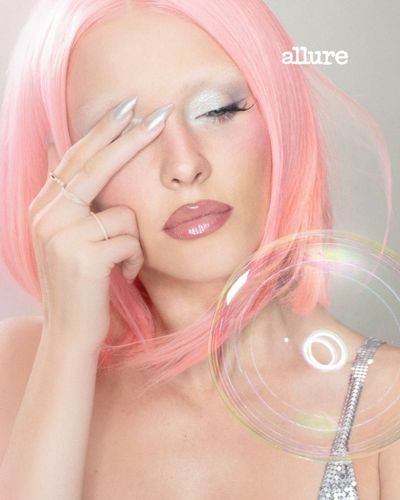
Allure’s current coverage reflects a wide range of beauty interests, from emerging makeup and hair trends to expert skincare guidance and fragrance discoveries. Recent editorial coverage includes niche perfumes, K-beauty, hair transformations, and makeup techniques.
Use these ideas as a source of inspiration. Save looks you like, notice recurring colours or styles, and then decide which elements actually suit you.
Personal style becomes more interesting when you adapt trends instead of copying them exactly. You might take the colour palette from a trending makeup look, for example, while keeping your preferred finish and application style.
This approach allows beauty experimentation without making every trend feel like something you have to buy.
Make Beauty Shopping More Intentional
Once you understand your needs, ingredients, product performance, and personal style, shopping becomes less impulsive. Before buying something new, ask yourself a few simple questions: Do I need it? What purpose will it serve? Do I already own something similar? Does it fit my routine? Have I checked information from reliable sources?
Price should also be considered in context. A cheaper product is not automatically better value, just as an expensive product is not automatically more effective. Think about how frequently you will use it, how much product you receive, and whether it genuinely solves a problem.
Allure’s shopping section currently combines product discovery with editorial reviews, Best of Beauty selections, seasonal recommendations, and beauty deals.
Keeping a simple wishlist can also reduce impulse purchases. When you discover an interesting product, save it and revisit the idea later. If you still want it after considering your existing collection and actual needs, it may be worth exploring further.
Beauty should ultimately be enjoyable rather than overwhelming. Expert guidance, thoughtful reviews, ingredient knowledge, and personal experimentation can help you make more informed choices while leaving plenty of room for creativity.
Instead of chasing every new launch, focus on building a routine that works for you. Trends will continue to change, but understanding your own preferences gives you a much more lasting foundation for discovering products, techniques, and styles that genuinely fit your life.