Choosing running shoes can feel surprisingly complicated. There are shoes designed for roads, trails, speed sessions, long distances and everyday training, while cushioning, heel-to-toe drop and fit can also vary from one model to another. The most expensive or most advanced shoe is not automatically the right choice. What matters is finding a pair that matches the way you actually run.
Altra Running offers different footwear options for road running, trail adventures, training, walking and other forms of outdoor movement. Its current European collection includes models with zero-drop and low-drop platforms, different cushioning levels and several FootShape™ fits designed to provide room around the toes while keeping the midfoot secure.
Start by Understanding Where You Run
The first question to ask before buying running shoes is simple: where will you use them most often? A person who mainly runs on city streets has different requirements from someone who spends weekends exploring forest paths and mountain trails.
Road running shoes are generally designed for paved surfaces, sidewalks and other relatively predictable routes. Altra’s European road collection includes options intended for daily miles, faster training and different preferences for cushioning and ground connection. Models such as the Torin and Escalante are positioned for different types of road running, while the Experience Flow offers a 4mm drop and rocker geometry for a smooth road-running experience.
Trail running requires another approach. Uneven surfaces, loose stones, mud, roots and changing elevations can make traction and protection particularly important. Altra’s trail collection includes models such as the Lone Peak and Olympus, with selected footwear featuring Vibram outsoles for additional grip on varied terrain.
If your running routine includes both pavement and trails, think about which surface makes up most of your mileage. A dedicated pair for each environment may make sense for frequent runners, while occasional trail runners may prefer to start with one versatile option.

Decide How Much Cushioning You Prefer
Cushioning changes the way a running shoe feels under your feet. Some runners prefer a softer, more cushioned sensation, while others enjoy a lighter and more connected feeling closer to the ground.
Altra categorizes its footwear into different cushioning levels, including low, mid and high options. This allows runners to consider how much material they want between their feet and the ground rather than choosing solely by appearance.
For daily training and longer road runs, a more cushioned model can be appealing if you prefer a softer underfoot experience. The Torin range, for example, is positioned around cushioned road running, while the Escalante offers a lower-profile design with a more connected feel.
A lower-cushion shoe does not automatically mean a better or faster shoe, just as maximum cushioning is not automatically necessary for every runner. Your preferred feel, running distance and type of training should guide the decision.
It can be useful to try different cushioning levels when possible. Pay attention to how your feet feel during normal walking and short runs rather than judging the shoe only while standing still. The right level should feel comfortable for the activities you plan to perform.
Pay Attention to FootShape Fit
One of the distinctive elements of Altra footwear is its FootShape™ Fit. Instead of focusing only on overall shoe width, the design provides different levels of space around the toes while maintaining a secure fit through the midfoot.
The current European range describes three FootShape™ options: Original, Standard and Slim. Original provides the roomiest toe box, Standard combines toe room with a secure midfoot, and Slim offers a more fitted midfoot while retaining space around the toes.
This distinction can be useful because not every runner has the same preferences. Some people prefer plenty of space around the forefoot, while others want a closer overall fit.
When trying running shoes, make sure your toes have enough room to move without your foot sliding excessively inside the shoe. A secure midfoot can help the shoe feel stable while the forefoot remains less restricted.
Altra also offers dedicated wide-fit footwear in its European collections. These models provide additional width while maintaining a secure midfoot, giving runners another option when standard fits feel too restrictive.
Instead of choosing a size or width based only on what you normally wear in casual footwear, use the brand’s size information and consider the actual shape of your feet.
Understand Zero Drop and Low Drop Options
Heel-to-toe drop is another feature worth understanding before choosing running shoes. It refers to the height difference between the heel and forefoot.
Altra’s zero-drop shoes place the heel and forefoot at the same height, while its low-drop options can have a small difference. Current European collections include both zero-drop and 4mm-drop models.
The Escalante 4, for example, has a 0mm heel-to-toe drop and is designed for road running, speedwork and walking. The Experience Flow 3 uses a 4mm drop and combines responsive foam with rocker geometry for road running and walking.
If you are already accustomed to zero-drop shoes, the transition may feel familiar. If you normally wear traditional shoes with a higher heel-to-toe difference, changing suddenly to zero drop can feel very different.
For new runners, it is sensible to introduce unfamiliar footwear gradually. Shorter sessions can give you time to understand how the shoes feel before using them for longer distances. There is no need to change your entire running routine immediately simply because a particular shoe design is popular.
The important point is understanding what zero or low drop means and deciding whether that type of platform suits your personal preferences and running habits.
Match the Shoe to Your Training Goals
Your weekly training routine can also help narrow down the options. Someone running easy five-kilometre sessions may want a different shoe from an experienced runner preparing for a race.
For everyday road training, a balanced shoe with comfortable cushioning and a secure fit can be useful. Altra’s current European range includes the Torin 9 for road running and the Experience Flow 3 for road running and walking, giving runners different approaches to daily miles.
For faster sessions, a lighter and more responsive shoe may be preferable. The current Altra collection includes performance-oriented models such as the Vanish Tempo 2 and Vanish Carbon 3, alongside the broader road-running range.
Trail runners need to consider additional factors such as outsole grip, terrain and protection. The current collection includes models designed for trail exploration, with options ranging from lighter trail shoes to more substantial footwear for demanding routes.
Rather than purchasing a race-focused shoe simply because it looks advanced, consider how often you will actually use it. A reliable daily trainer may be more relevant if most of your weekly miles are easy or moderate.
Think of your running shoes as part of your training system. Different pairs can serve different purposes, but every pair should have a clear role.
Build Your Running Shoe Rotation Carefully
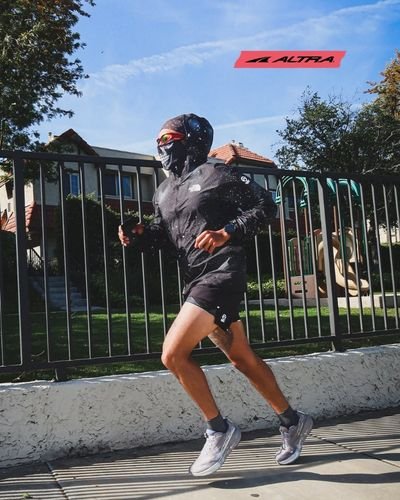
Once you understand your terrain, preferred cushioning, fit and training style, creating a small shoe rotation can make more sense than buying several similar pairs.
One everyday road shoe could handle regular training, while a lighter model could be reserved for speed sessions or races. If you regularly run on trails, a dedicated trail shoe can provide the grip and construction needed for those routes.
Altra’s European website currently highlights road, trail and hiking collections, alongside new arrivals such as the Torin 9, Olympus 7, Vanish Tempo 2 and Vanish Carbon 3.
A rotation does not need to be large. Two pairs may be enough for many runners: one dependable everyday option and another designed for a specific type of training or terrain.
It is also worth checking the condition of your existing shoes before purchasing another pair. Look at the outsole, cushioning and upper, and consider whether the shoe still feels comfortable during your normal runs. If a shoe has clearly lost its useful performance characteristics, replacing it may be more worthwhile than simply adding another pair to the collection.
When shopping, compare the intended use, cushioning, drop, FootShape™ fit and outsole rather than choosing solely on color or appearance. Current seasonal collections and promotions can also change, so checking the latest European selection before purchasing can help you see which models and sizes are currently available.
Ultimately, choosing running shoes should begin with your own routine. Start with the surfaces you run on, then consider cushioning, fit, drop and the type of training you perform most frequently. Once those factors are clear, the large selection of running footwear becomes much easier to navigate.
The right pair should complement your running rather than distract from it. Whether your goal is comfortable daily mileage, faster road sessions, weekend trail adventures or simply spending more time outdoors, a thoughtful choice can make your footwear work better for the way you actually move.